Participate

Find everything you might want to know before signing up

Discover Orienteering is a national project implemented by clubs around Australia. The locations might be different, but each event provides the perfect introduction to experience the joys of orienteering as part of your community.

What to Expect

A safe and fun atmosphere to get you excited about orienteering! This is the structure of how a Discover Orienteering event will run:

  1. Arrive for sign-in
    Find the Discover Orienteering flag marking the assembly area and head to the event desk. You’ll be welcomed by our helpers and receive all of the equipment you need.
  2. Group Briefing
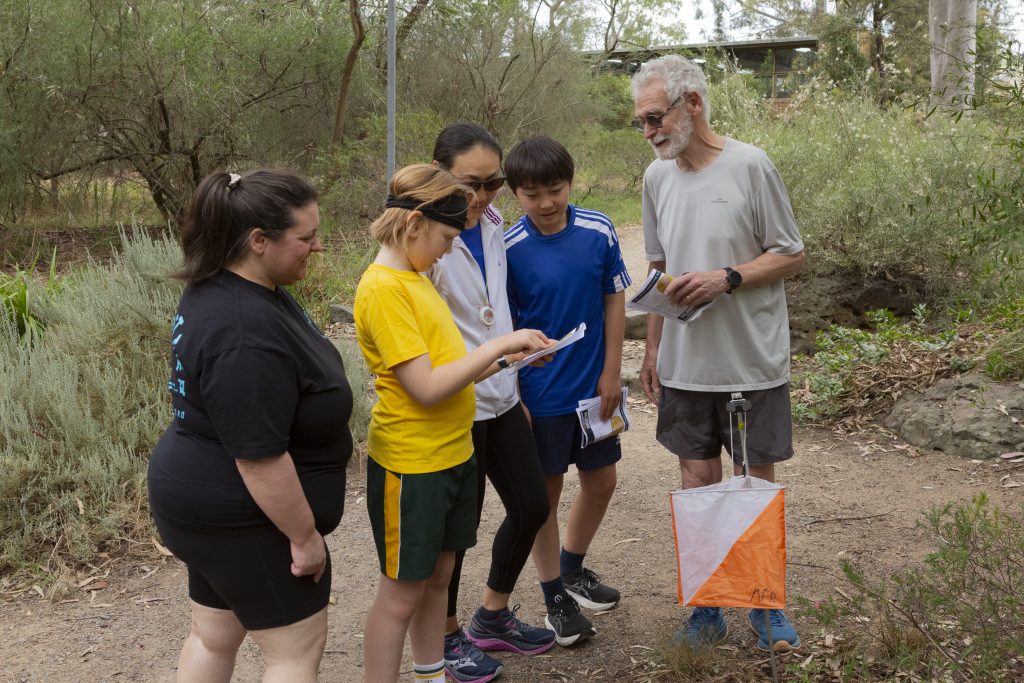
    We’ll discuss important safety information, activity options and helpful hints for map navigation.
  3. Your First Course!
    Pick up a map and begin your first short orienteering course. This one will stay close to the assembly area so you can build confidence before trying something trickier. Helpers will be there to assist at every step of the way.
  4. Sideshow Activities
    Mix things up with fun activities designed to compliment your experience. Practice using a map and thinking about navigation in different scenarios, either as a team or with some friendly head-to-head competition against others!
  5. Multiple Course Options
    Try more courses and explore new areas at a pace that suits you. Take a break between courses and return to the sideshow activities, or attempt the most difficult course for a real challenge.
  6. Flexible Finish
    When you’re ready, head back to the event desk to return equipment and sign out. There you can find out about ways to continue your orienteering journey.

Find an event near you!

Discover Orienteering has launched around Australia. Find an event to start the adventure today:

Frequently Asked Questions

You do not need to know any of this in order to show up at and enjoy a Discover Orienteering event!
That’s right, you can just sign up to take part in a ton of fun.

Orienteering is an exciting and challenging outdoor sport that exercises mind and body. There are options for all ages who want to test themselves mentally as well as physically, or who want to add variety to their leisure activities. It doesn’t matter how young, old, or fit you are, as you can progress at your own pace on courses planned to suit you. You decide how fast you would like to go. 

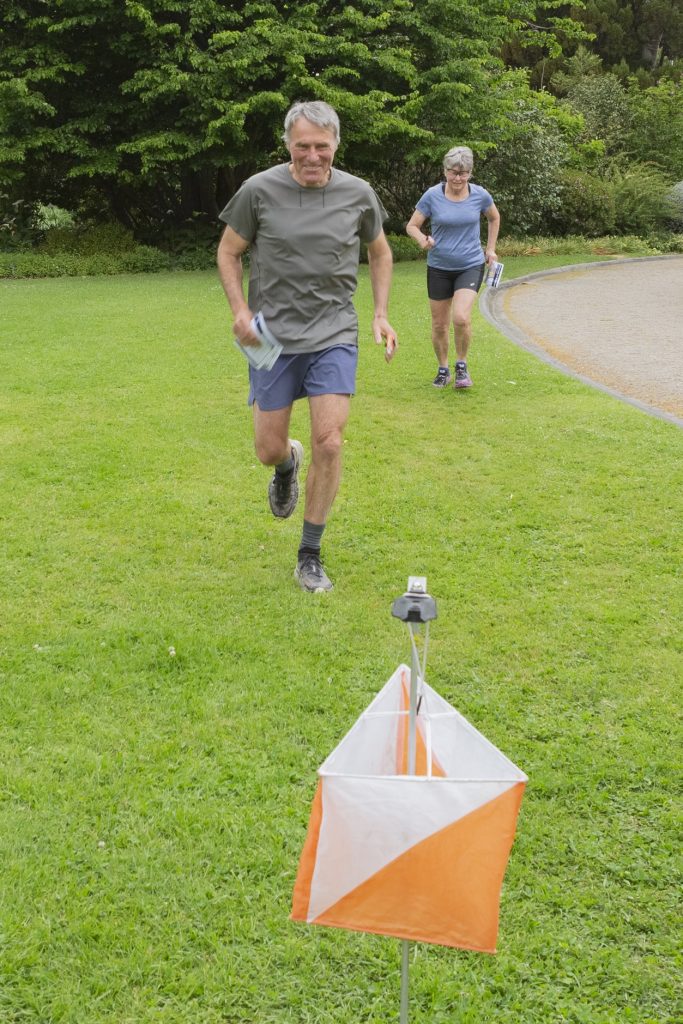
On an orienteering course you visit a series of checkpoints (called controls) marked by orange and white flags while navigating with the aid of a detailed map. You’ll be shown everything you need to know at a Discover Orienteering event. But if you want to learn more before coming, check out this page:

Start with a Discover Orienteering Event. Look for one near you:

Some clubs don’t run Discover Orienteering yet, or maybe you can’t make it on the day. Don’t worry! You can skip straight to Learn to Orienteer, or head to a community orienteering event. There will always be someone willing to help you get started.

You don’t need to know anything before attending a Discover Orienteering event. We’ve designed the whole experience so that you can have fun at whatever level you feel comfortable.

There will be helpers available to answer any questions you might have, and helpful hints to get you orienteering confidently!

If you’d like to understand more before trying orienteering, take a look here:

Yes! Bring along friends and family to have fun together. Working as a team can make the challenge even more enjoyable. Make sure you register the number of people in your group so that enough maps, equipment and helpers are available for everyone.

You can also participate solo, or split up and race your friends. It’s up to you.

Yes!

Discover Orienteering is desgined for all ages 9 to 99. Children under 18 should be supervised by a parent/guardian at the event. Participation by parents is strongly encouraged, too!

If you have a child aged 0-8, KID-O might be a better option.

Entry fees depend on the club hosting a Discover Orienteering event, and may depend on age and entry deadlines. Check the information for the specific event you are interested in.

Remember that the entry fee includes all equipment you will need.

This depends on the club hosting a Discover Orienteering event. Entry on Day may be available at the event desk. Check the information for the specific event you are interested in.

Pre-entry will usually be cheaper, and ensures you receive information and reminders about the event directly.

No.

Anyone is welcome to register to a Come and Try at a Discover Orienteering Event. There is no member discount.

If you have fun and want to continue orienteering, you can purchase a club membership. There are many benefits to being a member, including generous discounts to event entry fees and becoming a part of a like-minded community.

No! Just come dressed to be active. Everything you need for a Discover Orienteering event will be provided.

This includes:

  • Map: specially prepared for orienteering and has the course drawn on.
  • Electronic timing chip: Either a card or stick that is used to record your progress along the course. It records your visit to checkpoints and how long it took.


You don’t need a compass at this event!

When you go on to do more orienteering, you may want to purchase or hire equipment, including a compass.

Choose what you would be most comforatble moving around in. Dress for your speed. If you plan to walk, quick-drying hiking pants and sturdy shoes are a good choice. If you plan to run, tights, and running shoes might suit you better.

Check the forecast beforehand, and bring a hat, raincoat or extra layers as required.

If the event is in a forest or nature reserve, it could be a good idea to cover your legs as you may find yourself pushing though long grass or undergrowth.

For urban park and campus events you can wear shorts and a T-Shirt.

Orienteering is an all-weather sport and we aren’t put off by rain, cold or wind; it’s part of the adventure! Consider bringing extra layers, water, more sunscreen or a raincoat depending on the forecast.

Different clubs and locations will have their own cancellation policies, such as in total fire ban or thunderstorms. Check individual event information, and watch your emails for last-minute changes.

Look for the Discover Orienteering flag.

Find the event desk for sign-in or registration. You’ll receive all the equipment you need for the event. After sign-in, there will be a briefing in the assembly area to all participants explaining the event process and tips, along with any important safety information.

If you’re not sure what to do, look for a helper wearing a bright high-vis vest and ask them.

No! Orienteering is for all speeds. Whether you want a thrilling or relaxing experience is up to you. Many people walk the entire course, or do a mix of walking and running.

Discover Orienteering events are held in contained areas, like in a local park. So it won’t be possible to get too lost, and there are lots of ways that organisers will be looking out for you to make sure things are okay.

If you realise you don’t know where you are on the map:

  1. STOP!
  2. Don’t worry. Every orienteer has got a little bit lost at some point. Most of the time, you’ll be able to figure things out and get back on-track quickly.
  3. Look around you, and look at the features you can see around you in real life. It’s okay to move around a bit to see more features. Try to notice big things like a building, road, top of hill, etc.
  4. Try to find those features on the map, in the orientation that you see them.


If that didn’t work, then either:

  • Go towards a larger, more prominent feature and try again.
  • Backtrack to where you last knew where you were.


This will usually be enough to relocate yourself, but if you are still confused, it is okay to ask for help. Look for a high-vis helper, or another participant for assistance. If you don’t see anyone nearby you should do one of the following:

  • Return to the assembly area if you know where it is.
  • Call the organiser phone number printed on your map.
  • Wait where you are for a helper to find you.


We keep track of participants and make sure you will get home safe!

It’s quite unlikely that you’ll find a snake while orienteering. They are quickly scared off by the loud stomping of human feet walking. Discover Orienteering events are also usually held in an urban area such as a park or campus, making finding a snake even more unlikely!

If you do spot a snake: stop, give it space, and wait for it to move off. In the VERY unlikely event of a bite, follow first aid directions in the link below. The organising team at an orienteering event will have a first aid kit including snake bite compression bandages.

Deaths from snake bites in Australia are extremely rare.

We hope you had fun! There are heaps of ways to get involved with orienteering.

Check out this page with information about more opportunities!

Make an Enquiry

Still have questions? Contact us now.

"*" indicates required fields

Newsletter

Check out the Latest Australian Orienteer magazine!

Get a glimpse of orienteering around Australia and the world. The Australian Orienteer is published quarterly and contains something for everyone. It has fun puzzles for kids, maps and photos from recent events, articles about improving skills and much more!